
CSL Sewer Cleaner
Weeping Tile Camera Inspection
Send A Quick Message
blog
Camera Inspection Finds Weeping Tile Crushed
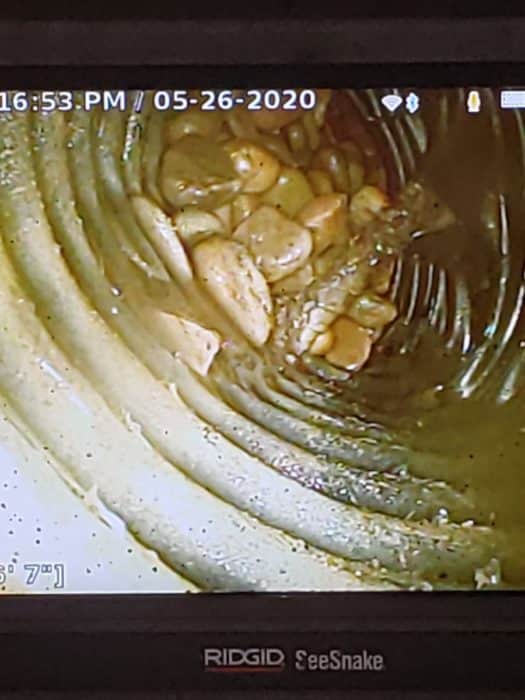
Gravel Blockage In Weeping Tile
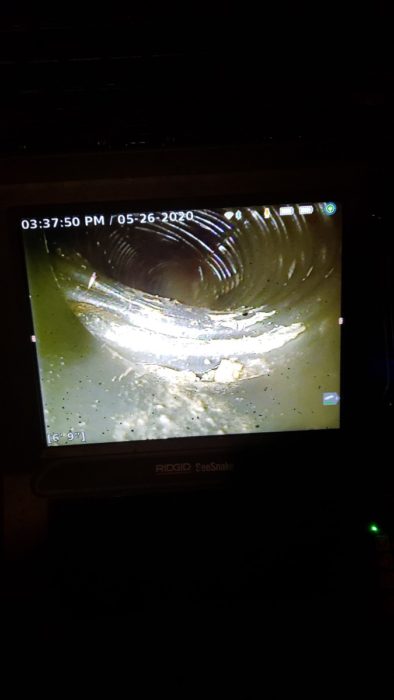
Images from our CSL Sewercleaner camera inspection on a recent job of Weeping Tile in Edmonton. The real time camera inspection revealed crushed spots in the weeping tile which was being filled with gravel. This was preventing water from reaching the sump pump to be drained away from the house.
How Weeping Tile Problems Lead To Flooded Basements
We think most people would probably agree that it’s a better idea to prevent water from getting into your basement in the first place rather than clean it up once it’s flooded.
That’s the role your weeping tile and sump pump system play, protection from flooding before it happens.
When the weeping tile is compromised or crushed as in this case, the system fails and flooding can occur.
Older clay weeping tile systems can stop working after a couple decades and become the root cause of basement flooding.
A modern weeping tile system is basically a plastic hose with perforations that allow water to enter. It’s placed around the foundation of your home to collect water and direct it to your sump pump, which acts to discharge the water away from the house.
Testimonials
Please Scroll Through Our Client Reviews


Services
Our Sewer & Drain Cleaning Services

Clogged Toilets & sinks
24 / 7 Clogged Drain Repair
Kitchen & Bathroom Sinks, Clogged Showers & Bathtubs. CSL Sewercleaner is available 24 / 7 to repair any clogged drain problem in Edmonton & Area.

Sewer Line Cleaning & REpair
Sewer Backups & Replacements
CSL Sewercleaner is the #1 Sewer repair service in Edmonton. Call us immediately for sewer backup or sewer drain cleaning in Edmonton & Area.

Drain Cleaning Edmonton
We Can Clean Any Drain
Laundry Room drains, floor drains – Call CSL Sewer Cleaner when the water won’t drain. We are available 24/7 to repair the problem and restore operation.

Mailing Address
7515 - 136 Ave Edmonton, AB T5c 2K6
Book Online
Get Started
